
Permeable Pavers: How They Work and Where to Use Them
Discover how permeable pavers work, their benefits for stormwater management, and ideal uses in Brevard County, Florida.
What Are Permeable Pavers?
Permeable pavers are innovative materials designed to allow water to flow through their surface into the ground below. This feature effectively manages stormwater runoff, mitigating flooding issues by promoting drainage and reducing surface water accumulation. Made from various materials such as concrete, brick, and interlocking stone, porous pavers are gaining popularity in landscaping and hardscaping projects.
How Do Permeable Pavers Drain Water?
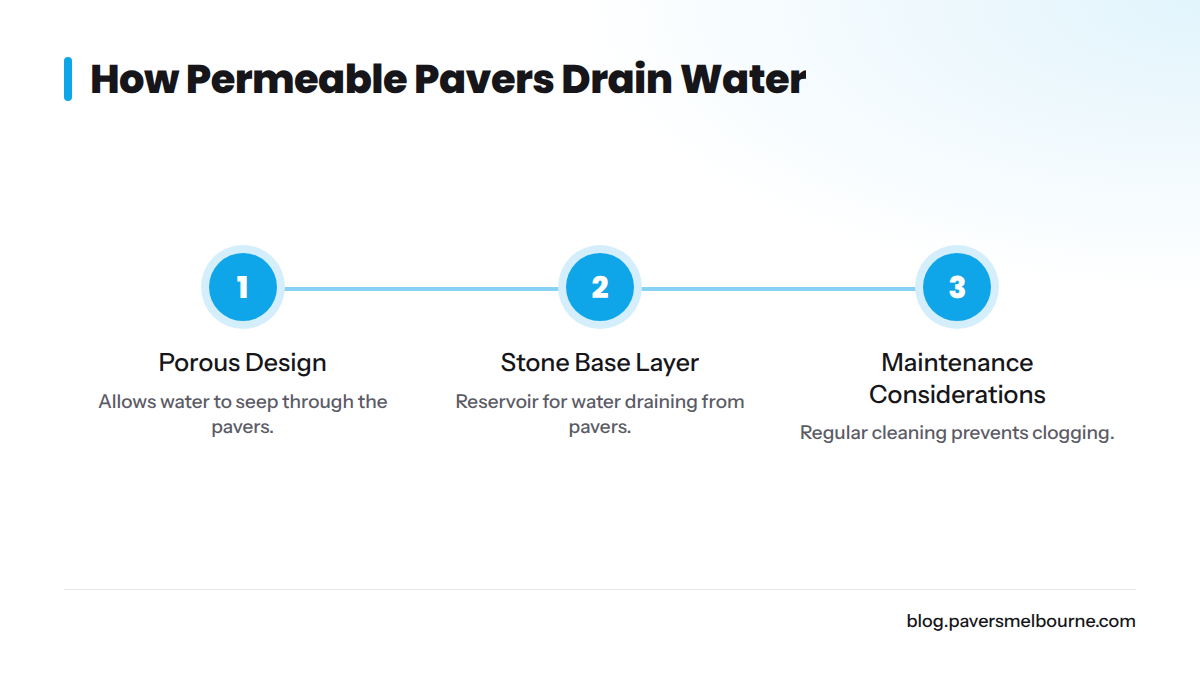
Permeable pavers work through a combination of their unique design and structured installation:
- Porous Design: The pavers include spaces or joints that enable water to seep through, allowing for absorption into the underlying base.
- Stone Base Layer: Beneath the pavers, a layer of open-graded aggregate or crushed stone acts as a reservoir. Water drains through the pavers into this stone layer, where it either flows away or infiltrates the soil more gradually.
- Maintenance Considerations: Regular cleaning is necessary to prevent clogging and maintain optimal drainage functionality.
For a visual overview of how permeable pavers work, check out this video:
How Permeable Pavers Work
Benefits of Using Permeable Pavers in Florida
Selecting permeable pavers in Florida offers several advantages, particularly in light of the region’s heavy rainfall and sandy soil:
- Stormwater Management: They efficiently manage and reduce runoff, thereby alleviating the risk of flooding during intense rain.
- Environmentally Friendly: Permeable pavers promote groundwater recharge, benefiting the local ecosystem.
- Aesthetic Versatility: Available in numerous styles and colors, they can enhance the visual appeal of driveways, patios, and walkways.
- Reduced Heat Island Effect: Their design allows water to seep through, helping maintain cooler surroundings compared to solid concrete surfaces.
Common Issues with Permeable Pavers
While permeable pavers come with many benefits, they also present some challenges:
- Clogging: Debris can accumulate in the joints, diminishing their effectiveness. Regular maintenance is essential to prevent this issue.
- Installation Complexity: Proper installation requires specialized techniques and materials, which might deter some DIY enthusiasts.
- Cost Implication: While they can lead to savings in stormwater management, the initial investment may be higher than traditional pavers.
Maintenance Tips for Permeable Pavers
To ensure longevity and functionality, follow these maintenance tips:
- Regular Cleaning: Pressure washing and using joint sand can help avoid clogging. Regularly remove leaves and debris from the joints.
- Monitor Drainage: Observe water flow during rainstorms to catch any potential issues early.
- Timely Replacement of Joint Sand: Adding new joint sand periodically helps maintain drainage capabilities, especially after severe weather.
Ideal Locations for Permeable Pavers in Brevard County
In Brevard County, specific settings are particularly well-suited for permeable pavers:
- Driveways: They effectively handle runoff from vehicles while enhancing visual appeal.
- Patios: Outdoor areas benefit from drainage while serving as functional gathering spaces.
- Walkways: Installing permeable pavers reduces puddles and slippery spots, ensuring safer foot traffic.
Case Studies from Local Installations
Many homeowners in Brevard County have successfully utilized permeable pavers, leading to notable improvements in stormwater management. For example, a home in Melbourne saw a marked reduction in water pooling in their driveway after installing permeable pavers. Testimonials emphasize both aesthetic appeal and practical benefits, showcasing their effectiveness in Florida’s sandy soil conditions.
FAQs about Permeable Pavers
How do permeable pavers differ from traditional paving?
Permeable pavers facilitate water drainage through their surface, while traditional paving materials do not, resulting in increased runoff.
What maintenance do permeable pavers require?
Routine maintenance includes cleaning, monitoring for clogging, and replacing joint sand as necessary to ensure optimal performance.
Are there any challenges when installing permeable pavers in sandy soil?
Sandy soil presents unique installation challenges, such as ensuring proper base preparation and preventing shifting. Consulting with local experts can offer tailored solutions for your area.
Conclusion
Permeable pavers provide an effective solution for managing stormwater runoff, particularly in climates like Florida's, where heavy rains are frequent. By understanding their functionality, benefits, and suitable applications, homeowners can make informed outdoor flooring decisions. Investing in permeable pavers leads to a more sustainable and visually appealing landscape.
Sources
Planning a Paver Project in Brevard County?
Our crew installs driveways, patios, and pool decks engineered for Florida's heat, rainfall, and sandy subgrade.
Get a Free Quote