
Polymeric Sand for Pavers: What It Is and How to Use It
Discover the benefits of polymeric sand for pavers in Florida and learn how to apply it effectively for long-lasting results.
What is Polymeric Sand?
Polymeric sand is a specially formulated blend intended for stabilizing paver joints. Unlike regular sand, it incorporates polymers that, when activated with water, bind the grains together. This binding effect creates a solid surface, significantly reducing joint movement, weed growth, and erosion. As a result, polymeric sand enhances durability, making it a top choice for both homeowners and contractors in humid climates like Florida.
Why Choose Polymeric Sand for Pavers in Florida?
Florida's climate presents distinct challenges for outdoor installations, especially due to high humidity and frequent rain. Here’s why polymeric sand is particularly effective for pavers in this environment:
- Moisture Resistance: The polymer additives create a waterproof seal once set, preventing the washout of sand during heavy rains.
- Weed Prevention: The binding effect limits weed growth in paver joints, thereby decreasing the need for ongoing maintenance.
- Reduced Erosion: Improved stability of the joints helps mitigate erosion caused by rainfall and irrigation.
- Aesthetic Appeal: It maintains the visual integrity of pavers by preventing joint shifting that can detract from your hardscaping.
Advantages of Polymeric Sand Over Regular Sand
The benefits of polymeric sand are striking when compared to traditional sand. Here’s a brief comparison:
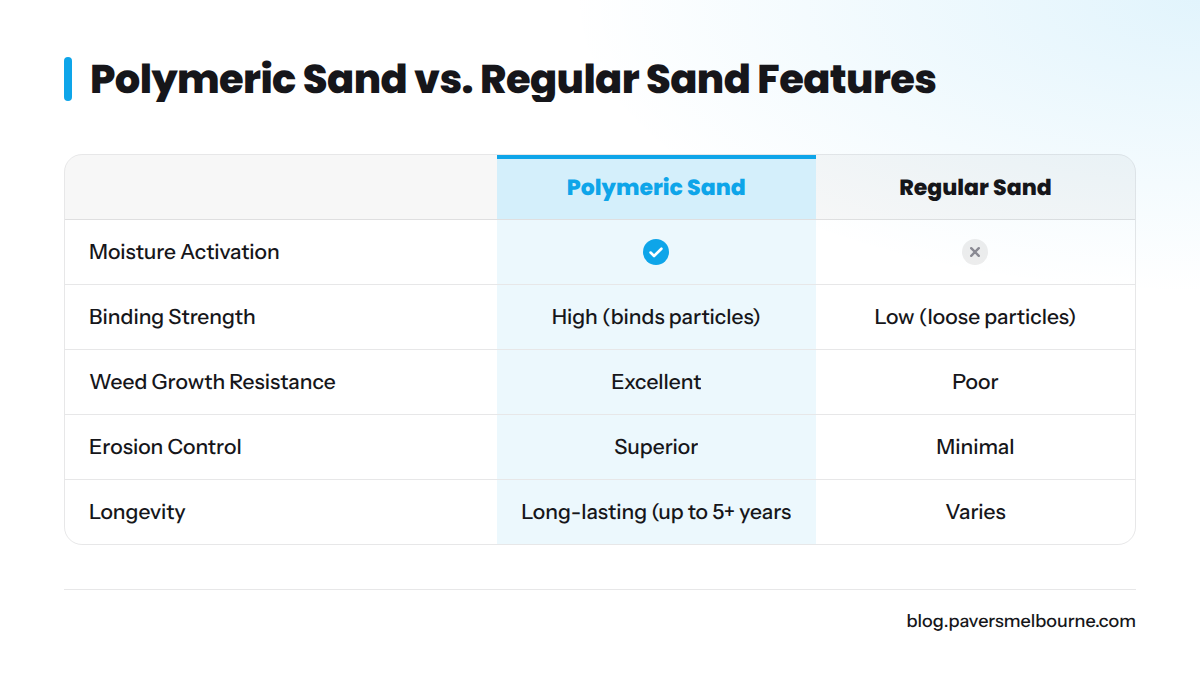
| Feature | Polymeric Sand | Regular Sand |
|---|---|---|
| Moisture Activation | Yes | No |
| Binding Strength | High (binds particles) | Low (loose particles) |
| Weed Growth Resistance | Excellent | Poor |
| Erosion Control | Superior | Minimal |
| Longevity | Long-lasting (up to 5+ years) | Varies |
How to Apply Polymeric Sand: Step-by-Step Guide
Applying polymeric sand requires careful preparation and attention to detail. Follow these steps for optimal results:
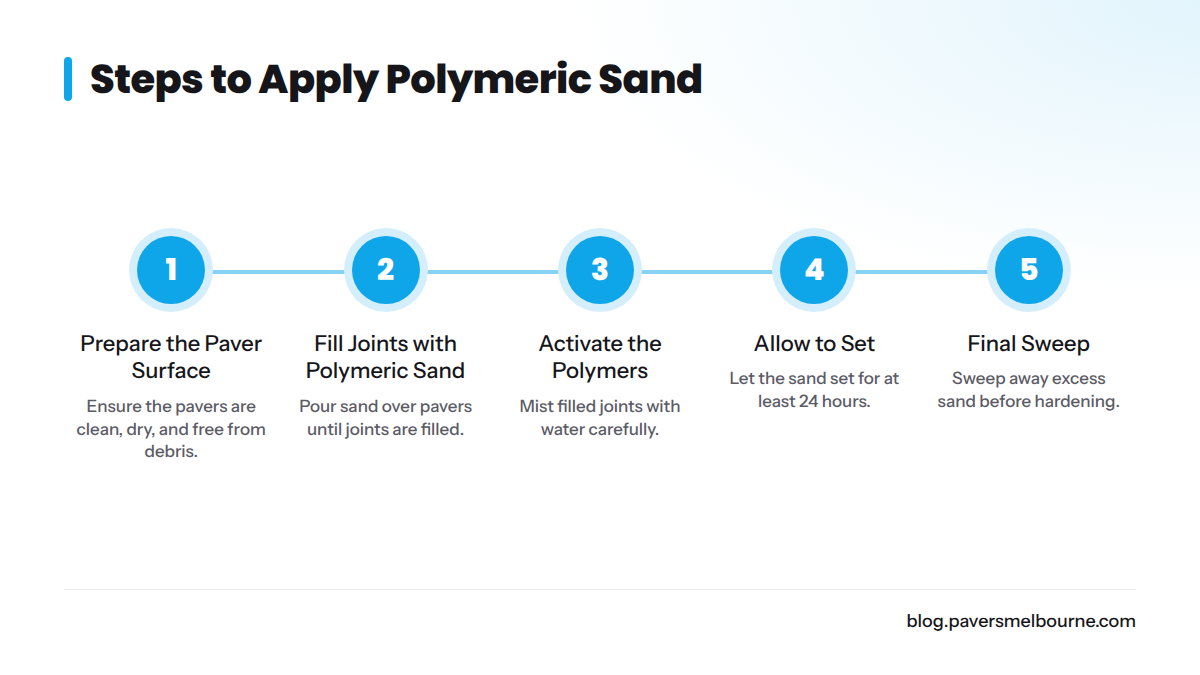
- Prepare the Paver Surface: Ensure the pavers are clean, dry, and free from debris. Using a pressure washer can help remove dirt and existing weeds.
- Fill Joints with Polymeric Sand: Pour the polymeric sand over the pavers, ensuring it fills all joints completely. Use a broom to sweep the sand into the gaps until they are properly filled.
- Activate the Polymers: Lightly mist the filled joints with water using a garden sprayer. Avoid flooding the area, as too much water can wash away the sand.
- Allow to Set: Let the sand set for at least 24 hours before heavy use. During this time, avoid rain or excessive moisture.
- Final Sweep: Before the sand hardens completely, sweep away any excess sand from the surface of the pavers.
Additional Resources
For a visual guide, check this video tutorial demonstrating best practices for applying polymeric sand.
Common Mistakes to Avoid When Using Polymeric Sand
While polymeric sand is an excellent product, certain mistakes can lead to inferior results. Keep an eye out for these common pitfalls:
- Not Cleaning Thoroughly: Residual dirt or debris can hinder proper adhesion.
- Over-Wetting: Too much water can wash the sand away before it sets adequately.
- Neglecting to Wait: Failing to allow the sand to set properly can compromise its effectiveness.
Tips for Maintaining Polymeric Sand in Humid Conditions
To ensure your polymeric sand remains effective, consider these maintenance tips:
- Regular Inspection: Frequently check joints for signs of erosion or washout.
- Reapply Sand as Needed: If you notice settling in the joints, it's time to replenish the polymeric sand.
- Seal the Pavers: Sealing your pavers can enhance protection against moisture and wear.
Conclusion
Polymeric sand offers numerous benefits for homeowners in Florida aiming to maintain the integrity of their paver installations. By understanding its advantages and adhering to proper application guidelines, you can achieve long-lasting, attractive paver surfaces that withstand Florida's unique climate.
Frequently Asked Questions
When not to use polymeric sand for pavers?
Avoid using polymeric sand in areas prone to pooling water from high rainfall, as excess moisture can hinder its effectiveness.
What are the downsides of using polymeric sand?
Polymeric sand can harden too rigidly, making joint repairs difficult without completely replacing the sand.
Does polymeric sand harden like cement?
While polymeric sand hardens, it does not reach the rigidity of cement. Instead, it forms a flexible yet firm surface.
What works better than polymeric sand?
In some situations, traditional sand may be more appropriate for high-drainage areas or environments where frequent joint alterations are necessary.
How does humidity affect polymeric sand?
Humidity can activate the polymers in the sand, enhancing its binding properties, yet excessive moisture can lead to washout.
Sources
- What is Polymeric Sand?
- Best Practices for Installing Polymeric Sand
- Applying Polymeric Sand
- Paver Installation Melbourne FL - Pavers Commandos
Related: pavers melbourne fl, paver base preparation
Planning a Paver Project in Brevard County?
Our crew installs driveways, patios, and pool decks engineered for Florida's heat, rainfall, and sandy subgrade.
Get a Free Quote