
Mold on Pavers: How to Remove It and Stop It Returning
Learn how to effectively remove mold from pavers and prevent its return with our step-by-step guide and maintenance tips.
Understanding Mold on Pavers
Mold and algae are more than just unsightly; they can seriously harm your outdoor pavers if not addressed. Mold thrives in damp, shady environments, leading to dangerous, slippery surfaces. Effectively managing these issues is crucial for maintaining both the visual appeal and safety of your outdoor spaces.
Why Mold Grows on Pavers in Florida
Florida's humid climate creates an ideal environment for various molds, including black mold and green algae. Regular rain and shade from trees or structures contribute to mold growth. Additionally, the porous nature of many paver materials traps moisture, worsening the problem.
Identifying Mold Types on Pavers
Knowing the types of mold that can develop on your pavers is vital for selecting the appropriate removal method:
- Black Mold: This harmful mold flourishes in damp areas and requires immediate removal.
- Green Algae: Often found on patios, this type creates slippery conditions and can be treated with various cleaning solutions.
- Mildew: This white, powdery substance not only stains pavers but can also lead to long-term discoloration if not removed promptly.
Step-by-Step Guide to Remove Mold from Pavers
Gather Your Supplies
To effectively remove mold from pavers, you'll need:
- Mold Removal Solution: Use a commercial cleaning product designed for pavers or create a DIY solution with chlorine bleach or vinegar.
- Broom and Stiff Brush: Essential for scrubbing surfaces thoroughly.
- Pressure Washer: Ideal for larger mold infestations.
- Protective Gear: Gloves, goggles, and masks to protect yourself from splashes and fumes.
Application Techniques
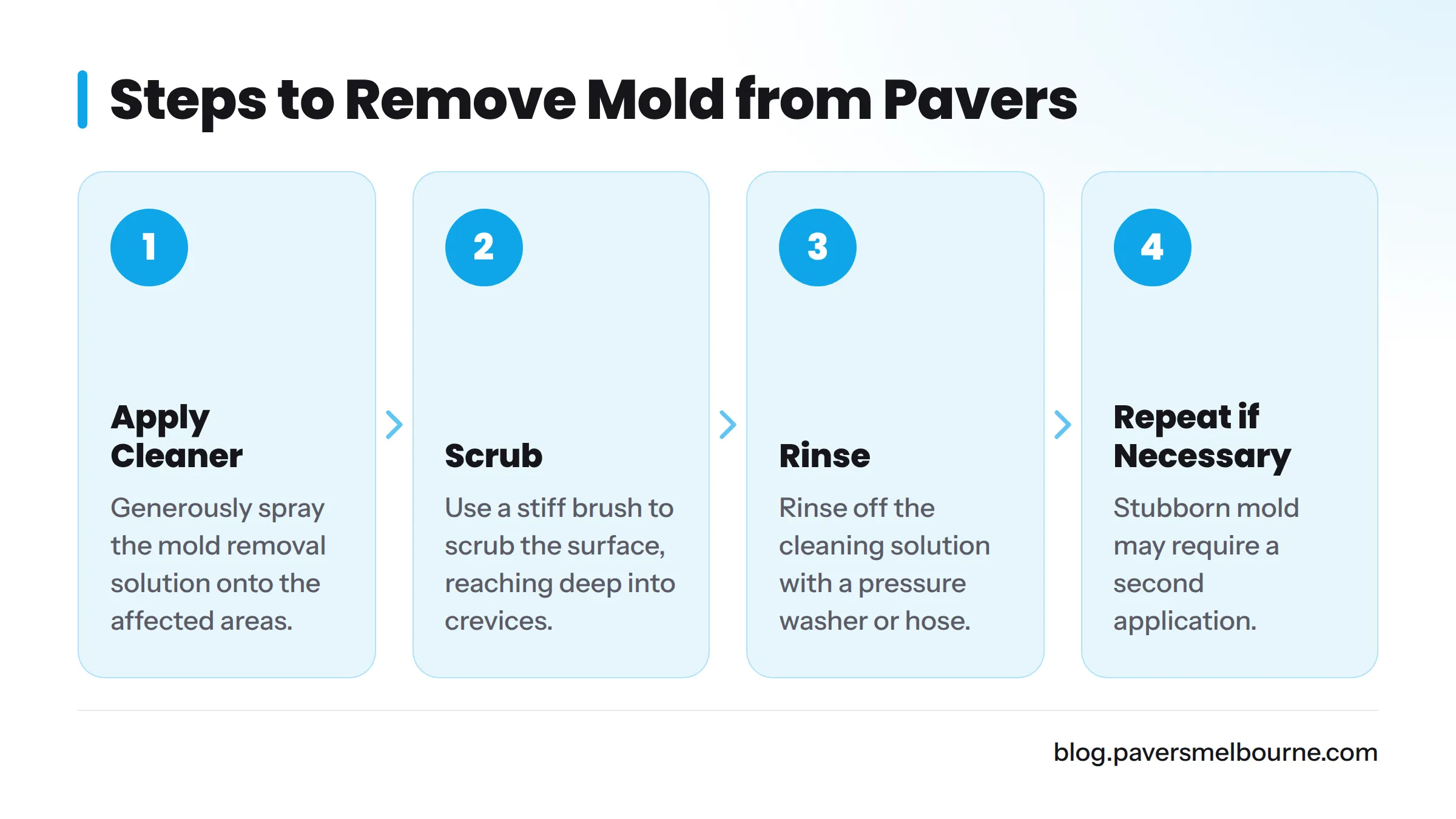
- Apply Cleaner: Generously spray the mold removal solution onto the affected areas.
- Scrub: Use a stiff brush to scrub the surface, reaching deep into crevices where mold may be hidden.
- Rinse: Rinse off the cleaning solution with a pressure washer or hose, ensuring you remove all residue to prevent slipping.
- Repeat if Necessary: Stubborn mold may require a second application.
Post-Cleaning Maintenance
After cleaning, ensure the area is completely dry. Consider applying a paver sealer to protect against future mold growth. Regularly remove debris like leaves and dust, which can retain moisture.
Preventing Future Mold Growth on Pavers
Choosing the Right Sealant
Select a high-quality sealer that offers protection against moisture. Look for sealers specifically designed to be resistant to mildew and algae.
Long-Term Maintenance Tips
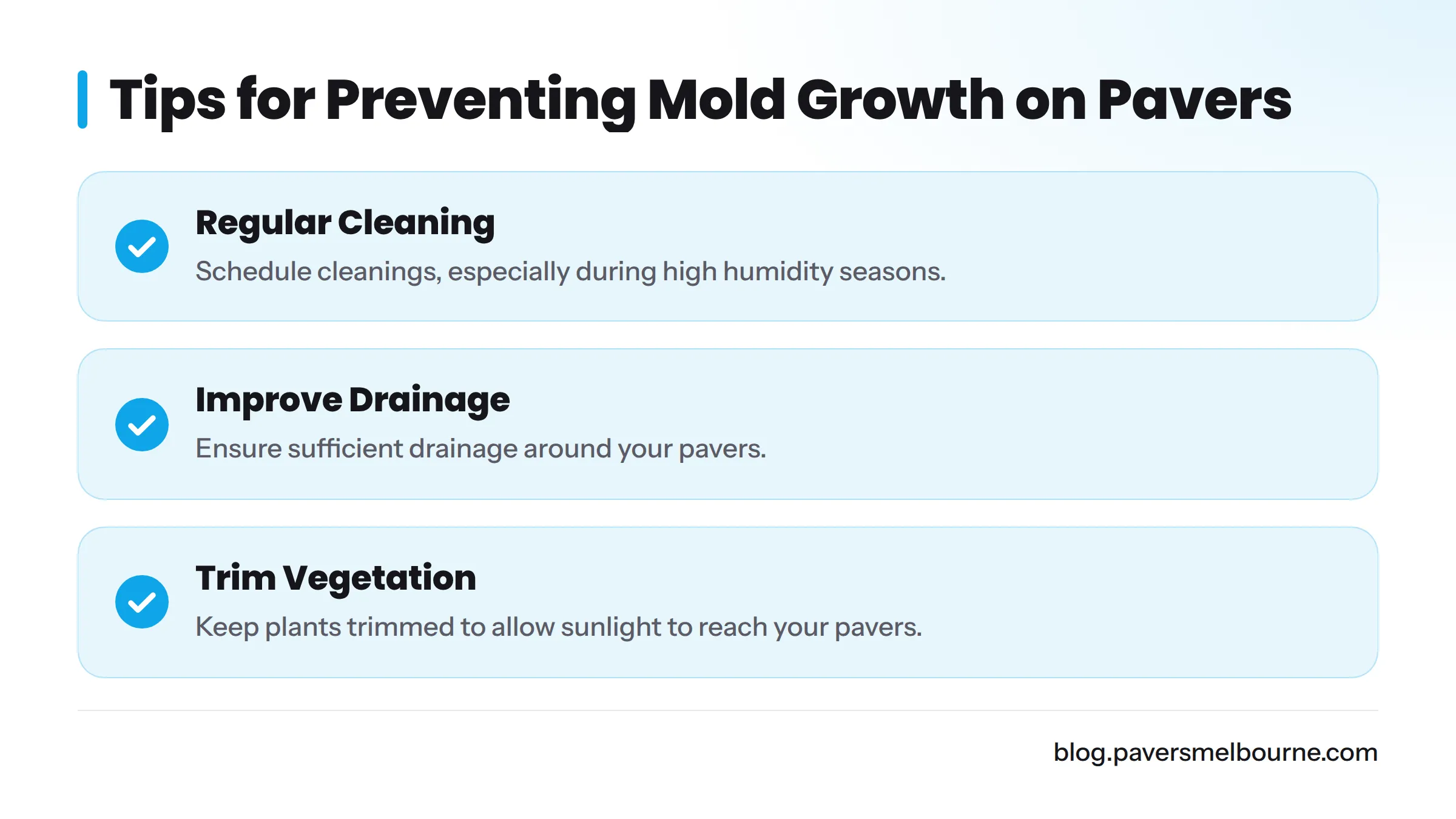
- Regular Cleaning: Schedule cleanings, especially during high humidity seasons.
- Improve Drainage: Ensure sufficient drainage around your pavers to prevent water pooling.
- Trim Vegetation: Keep plants trimmed to allow sunlight to reach your pavers, helping to reduce moisture.
When to Call a Professional
If mold persists or becomes extensive, it may be beneficial to contact a professional cleaning service. They have specialized equipment and expertise to safely eliminate mold without damaging your pavers.
Frequently Asked Questions
- How do you remove black mold from outdoor pavers? Apply chlorine bleach or a commercial mold remover and scrub thoroughly.
- What are the best cleaning products for mold on pavers? Opt for paver-specific mold removers or natural solutions like vinegar and baking soda.
- Can vinegar and Dawn kill mold effectively? Yes, a mixture of vinegar, Dawn dish soap, and water can effectively tackle mold and mildew.
- What is the most effective method for cleaning mildew on pavers? A pressure washer combined with a strong mold cleaner is highly effective.
- Are there any risks associated with using bleach on pavers? Yes, bleach can discolor some pavers; use it cautiously and rinse thoroughly afterward.
- How to prevent algae growth on pavers? Regular cleaning, proper drainage, and applying sealants can help prevent growth.
- How often should I clean my pavers to prevent mold? Ideally, clean your pavers every few months, depending on humidity and exposure.
- Can I use pressure washing for mold removal? Yes, but ensure it is done carefully to avoid damaging the pavers.
- What are the signs of mold growth on pavers? Watch for dark spots, a slippery surface, and discoloration.
- Is professional cleaning worth it for paver maintenance? Yes, professionals can prolong the life of your pavers and ensure thorough cleaning.
Conclusion
By understanding how to clean and prevent mold on pavers, homeowners in Florida can maintain their outdoor spaces year-round. For more information on paver maintenance, visit Paver Guides & Advice.
Sources
- Mold Prevention and Removal - United States Environmental Protection Agency
- Paver Care and Maintenance - Official Pavers Commandos Melbourne Blog
- Best Practices for Outdoor Mold Control - Centers for Disease Control and Prevention ### Video Resource For additional cleaning guidance, check out this quick DIY video: [How to Remove Mold and Stains from Concrete](https://www.youtube.com/watch?v=0Fgu5NBSeZc&pp=ygU2TW9sZCBvbiBQYXZlcnM6IEhvdyB0byBSZW1vdmUgSXQgYW5kIFN0b3AgSXQgUmV0dXJuaW5g
Planning a Paver Project in Brevard County?
Our crew installs driveways, patios, and pool decks engineered for Florida's heat, rainfall, and sandy subgrade.
Get a Free Quote