
How to Repair Shifting Pavers on a Florida Sandy Subgrade
Learn how to repair shifting pavers on a sandy subgrade in Florida with our comprehensive guide. Ensure stability and beauty for your outdoor spaces!
Understanding Shifting Pavers
Shifting pavers can undermine both the functionality and aesthetics of your outdoor spaces. In Florida, where sandy subgrades are prevalent, it’s crucial to understand why shifting occurs for effective repairs.
Common Causes of Shifting Pavers
Several factors can lead to shifting pavers, including:
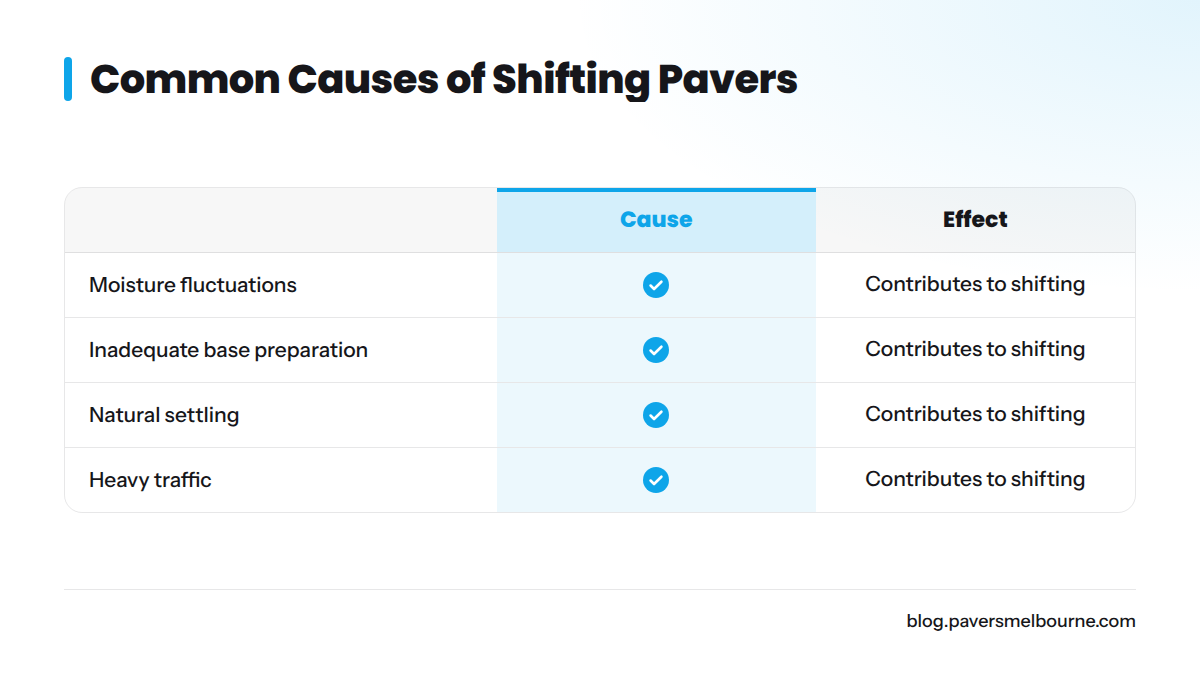
- Moisture fluctuations: Florida's humid climate contributes to soil expansion and contraction.
- Inadequate base preparation: Improperly compacted bases may settle unevenly.
- Natural settling: The loose structure of sandy soils can cause them to shift and sink over time.
- Heavy traffic: Frequent use can lead to wear and displacement, particularly in driveways or walkways.
By recognizing these causes, you can better prevent future shifting.
Importance of Base Preparation
A solid base is fundamental for the longevity of your paving projects. To prepare your base:
- Dig at least 6 inches below the desired paver surface.
- Add a layer of gravel to enhance drainage and support.
- Compact the base thoroughly to eliminate air pockets and ensure stability.
A well-prepared base minimizes the risk of future shifts.
Step-by-Step Guide to Repairing Shifting Pavers
Follow these steps to repair shifting pavers and keep your outdoor surfaces looking great and functioning well.
Tools and Materials Needed
Gather the following tools before you start:
- Rubber mallet: For resetting pavers without damage.
- Level: To ensure pavers are flat and even.
- Screed board: To assist in leveling sand.
- Polymeric sand: For joint filling after repairs are complete.
- Compactor: If available, to stabilize the base.
Repairing the Base
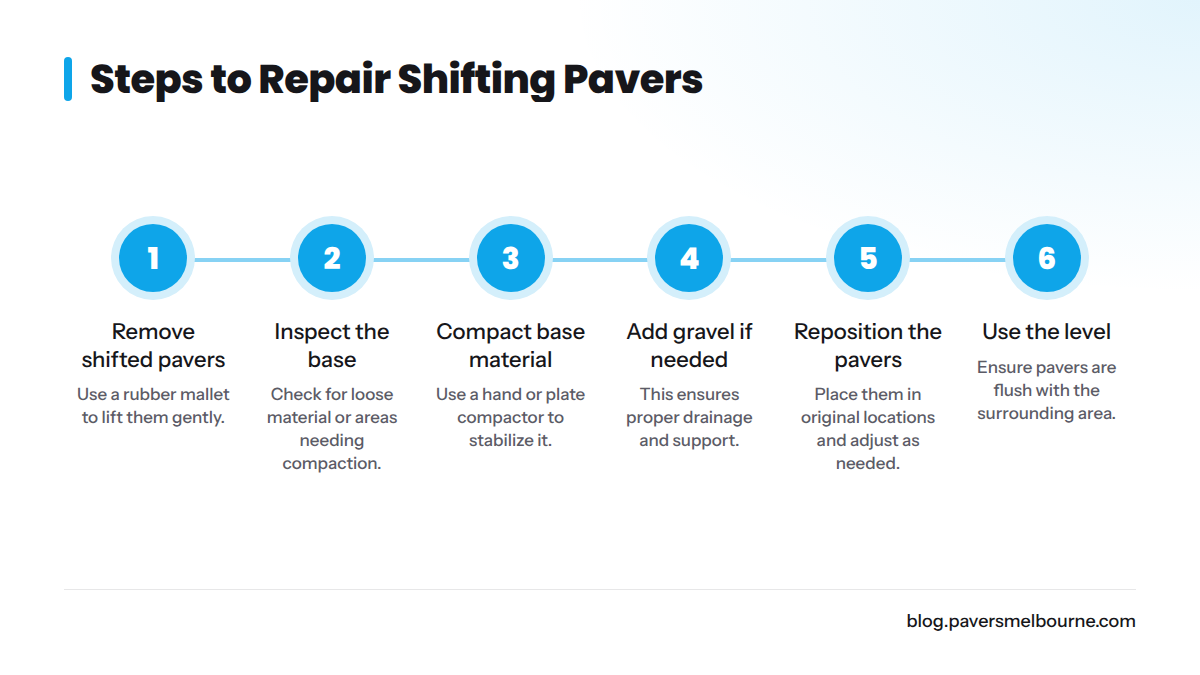
- Carefully remove the shifted pavers: Use the rubber mallet to lift them without causing harm.
- Inspect the base: Check for loose material or areas needing compaction.
- Compact the base material: Use a hand or plate compactor to stabilize the sandy subgrade.
- Add more gravel if needed: This ensures proper drainage and support.
Replacing or Adjusting Pavers
- Reposition the pavers: Place them back in their original locations, adjusting as needed for an even surface.
- Use the level: Ensure the pavers are flush with the surrounding area. Adjust with the mallet if necessary.
- Fill joints with polymeric sand: This locks the pavers in place and reduces shifting.
- Compact again: Use the compactor to stabilize the pavers after they are set.
For additional visual guidance, check out this video on fixing sinking pavers.
Maintenance Tips for Longevity
Given Florida's climate, ongoing maintenance is essential for your pavers.
Regular Checks
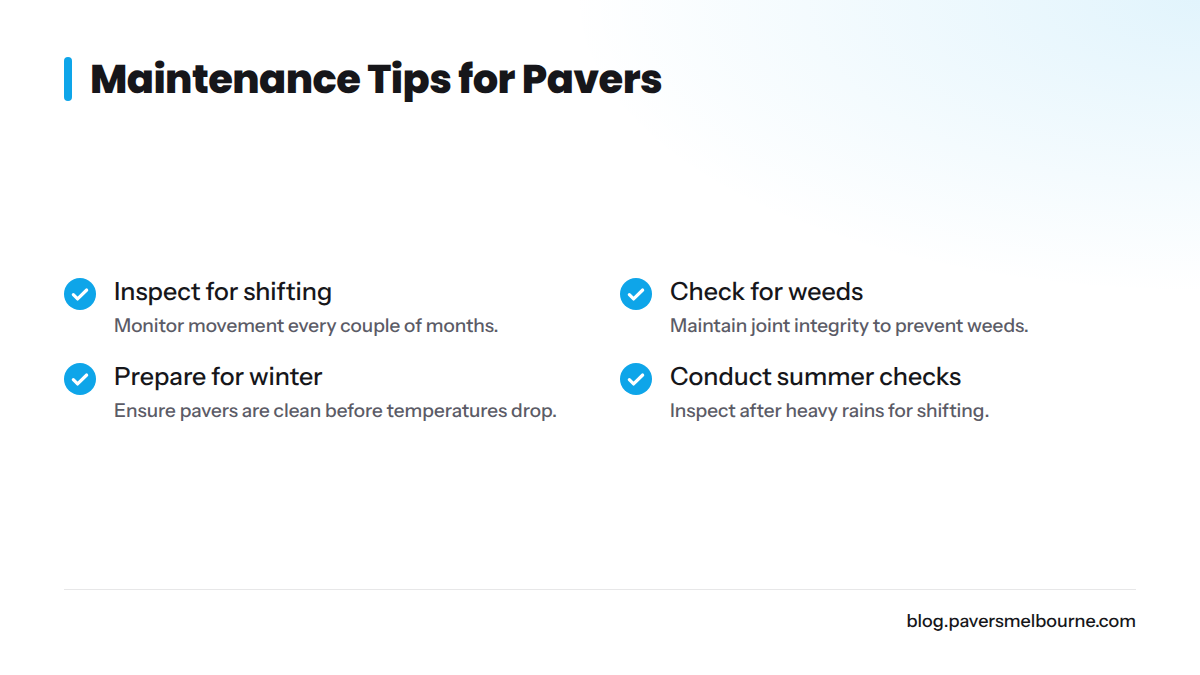
- Regularly inspect for shifting: Monitor for movement every couple of months.
- Check for weed growth: Maintaining joint integrity helps prevent weed seeds from establishing.
Seasonal Care
- Prepare for winter: While Florida winters are mild, make sure pavers are clean before temperatures drop.
- Conduct summer checks: After heavy rains, inspect for any shifting caused by water erosion.
Suggested FAQ
What causes pavers to shift in sandy soil?
The loose structure of sandy soil, combined with moisture, contributes to shifting due to settling.
How can I prevent my pavers from shifting?
Proper base preparation and regular maintenance checks are crucial for stability.
How do I repair shifting pavers myself?
Follow the provided step-by-step guide to reset and maintain your pavers effectively.
How often should I check my pavers for shifting?
Inspect your pavers every few months, especially after heavy rain.
For more information, explore our guide on Why Pavers Shift and Sink in Florida's Sandy Soil.
Conclusion
Repairing shifting pavers on a sandy subgrade in Florida is both necessary and manageable. With the right tools and techniques, you can effectively maintain your outdoor areas and enjoy their beauty for years to come.
Sources
Planning a Paver Project in Brevard County?
Our crew installs driveways, patios, and pool decks engineered for Florida's heat, rainfall, and sandy subgrade.
Get a Free Quote